A reflection for Palm Sunday
A Collision of Themes
The great triumphant procession of palms as well as the betrayed allegiances of the human heart are both woven into the Passion and the death of Jesus.
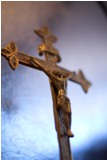
The liturgy of Passion Sunday is a collision of themes: glorious hosannas and somber omens. Isaiah promised a servant of God who would have a “face like flint” to brave the pummeling, spit, and ridicule. Paul’s lovely hymn in Philippians is one of triumph—“in the name of Jesus every knee should bend, in heaven and on earth and under the earth, and every tongue should confess”—but only after disgrace and ignominious death.
It goes unnoticed, for the most part, that the inescapable context of the Passion is a national, tribal, and political struggle. The betrayals are always hatched in the presence of looming authorities who seduce the betrayer—the Judas, the Peter, the disciple in us.
You cannot avoid the sense that there is some profound geopolitical strife going on here. The stage is set for armed violence, the raised sword in the cause of right. There are secret police and public meetings of high priests, governors, assemblies.
In the gospel reading from the Saturday prior to every Passion/Palm Sunday, we behold the crisis of allegiance that the people of Jesus’ time faced. In that gospel, Jesus is condemned by logic of self-defense and corporate survival. Chief priests and high councils are threatened by Jesus and his way. He is a menace to national and religious interests. Note the language: “If we let him go on like this, everyone will believe in him, and the Romans will come and destroy both our holy place and our nation.”
Caiaphas, that “realistic” murmur of expedience in all our hearts, advises us: “It is better for you to have one man die for the people than to have the whole nation destroyed.”
From this telling statement rises the suspicion that the crisis of Palm Sunday is the crisis of every epoch and culture. We are torn between Christ and the tribe, between casting out allegiance with him or with the nation, between the king’s call and safety’s comfort.
Under every moral crisis lurks a dread that if we ever fully followed Jesus, we would lose our holy privilege and our clannish protections. In Jesus’ time he was rejected and condemned for reasons of national security. So he is today.
This Lenten reflection comes from the Catholic Health Association of the United States. Listen to a podcast of this Lenten reflection here: 2014_palm_sunday.mp3 (5.40 mb)
- Sisters of Charity Health System
- News Releases
- St. Vincent Charity Health Campus
- Light of Hearts Villa
- Regina Health Center
- Sisters of Charity Foundation of Canton
- Sisters of Charity Foundation of Cleveland
- Sisters of Charity Foundation of South Carolina
- Building Healthy Communities
- Catholic Community Connection
- Early Childhood Resource Center
- Healthy Learners
- Joseph and Mary's Home
- South Carolina Center for Fathers and Families